Cotton is the backbone of the global towel industry. In 2024, fluctuations in cotton prices have created a ripple effect across the textile supply chain, from manufacturers and wholesalers to retailers and end consumers. For towel suppliers and buyers alike, understanding how cotton price volatility affects wholesale orders is critical for planning, pricing, and maintaining competitiveness.
Why Cotton Prices Are Rising in 2024
Several global factors have driven cotton costs upward this year:
- Weather disruptions – Floods, heatwaves, and droughts in key cotton-producing regions like India, Pakistan, and the U.S. reduced yields.
- High demand from apparel & home textiles – Competing sectors (clothing, bedsheets, and upholstery) are increasing demand for high-quality cotton.
- Global inflation & logistics costs – Energy prices, freight costs, and higher interest rates are adding extra pressure.
- Currency fluctuations – For countries that import raw cotton, exchange rate volatility has further inflated landed costs.
Impact on Wholesale Towel Orders
1. Increased Raw Material Costs
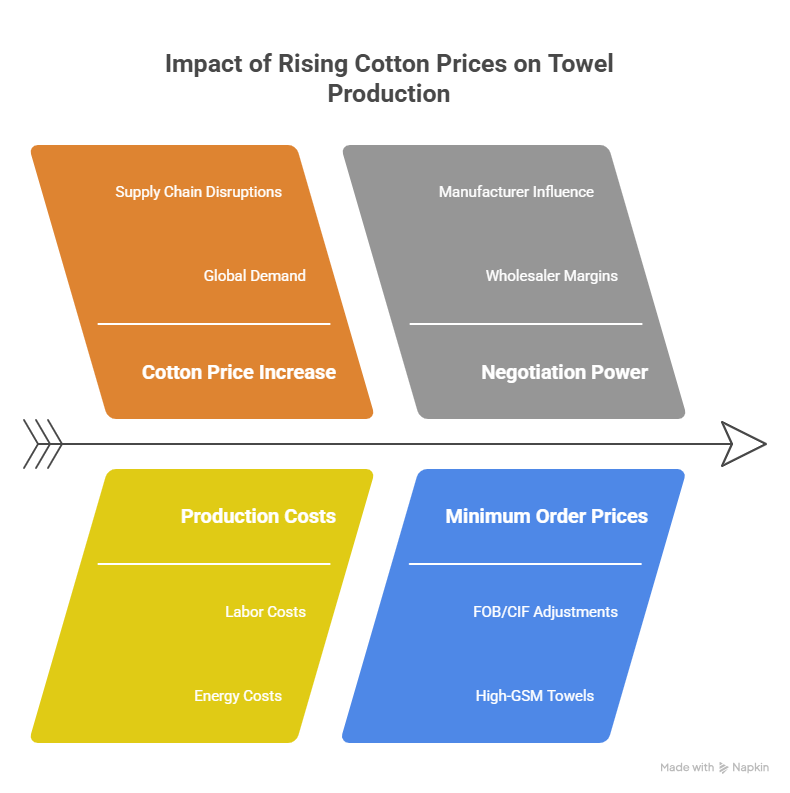
Cotton accounts for 50–70% of total towel production costs. Rising cotton prices directly push up unit costs for manufacturers, leaving wholesalers with less room to negotiate discounts.
➡️ Result: Higher minimum order prices (FOB/CIF), especially for high-GSM towels.
2. Shift in Buyer Preferences
To manage costs, many wholesalers are adjusting their orders:
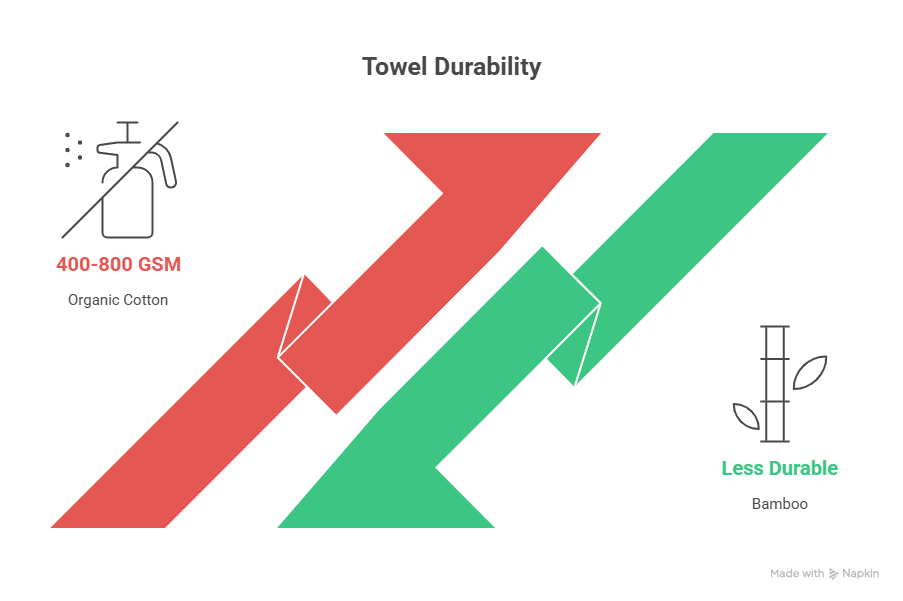
- Switching from heavyweight 600–800 GSM towels to medium-weight 400–500 GSM ranges.
- Increasing orders of blended fabrics (cotton-polyester, bamboo-cotton) to balance softness and durability at lower prices.
- More demand for value packs and bulk ranges instead of premium, design-focused SKUs.
➡️ Result: Demand shift toward mid-range and blended towels in wholesale contracts.
3. Tighter Margins for Wholesalers
Distributors and wholesalers supplying retail chains or hospitality clients are squeezed between manufacturers raising prices and end buyers resisting price hikes.
➡️ Result: Smaller profit margins, longer negotiation cycles, and more cautious ordering volumes.
4. MOQ Adjustments
Manufacturers facing high raw material costs often raise minimum order quantities (MOQ) to stay profitable. Smaller wholesalers find this challenging, while larger importers consolidate more bulk orders.
➡️ Result: Market consolidation—bigger players benefit, smaller buyers may struggle.
5. Longer Lead Times & Stockpiling
Uncertainty in cotton pricing encourages some wholesalers to place larger advance orders to lock in prices, while others delay new orders, waiting for prices to stabilize.
➡️ Result: Supply chain unpredictability and uneven demand throughout the year.
Strategies for Buyers & Suppliers in 2024
✅ For Buyers (Importers & Wholesalers):
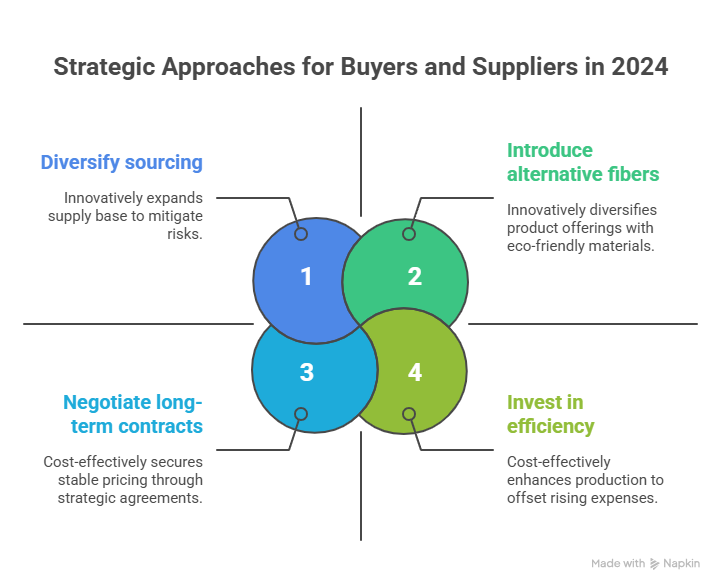
- Diversify sourcing (Pakistan, India, Bangladesh, Turkey).
- Opt for blended or mid-range GSM towels.
- Negotiate long-term contracts to lock in stable pricing.
- Place early seasonal orders to avoid last-minute price spikes.
✅ For Manufacturers & Exporters:
- Offer tiered product ranges (luxury, mid-range, value packs).
- Introduce alternative fibers (bamboo, recycled cotton, microfiber).
- Provide transparent cost breakdowns to build trust with wholesale buyers.
- Invest in efficiency—better looms, energy savings—to offset cotton price hikes.
Outlook: What’s Next for 2025?
While cotton prices remain elevated in 2024, industry analysts predict a possible softening in 2025 if weather conditions stabilize and global demand normalizes. Until then, wholesalers and suppliers must stay agile—balancing cost efficiency with customer expectations
Bottom line: Rising cotton prices in 2024 are reshaping the wholesale towel business. Buyers are moving toward mid-range and blended products, while suppliers must be transparent, flexible, and innovative to maintain long-term relationships.